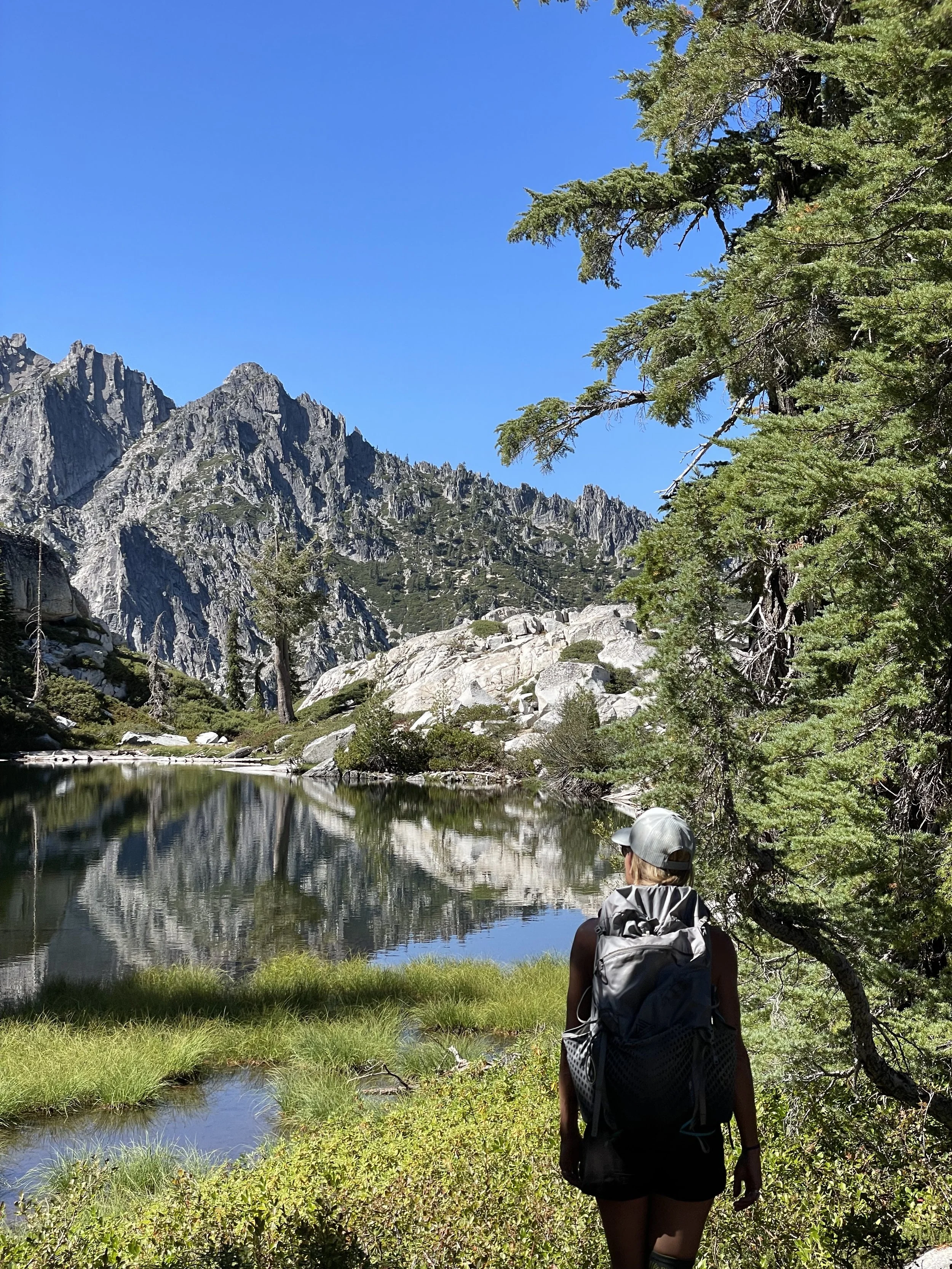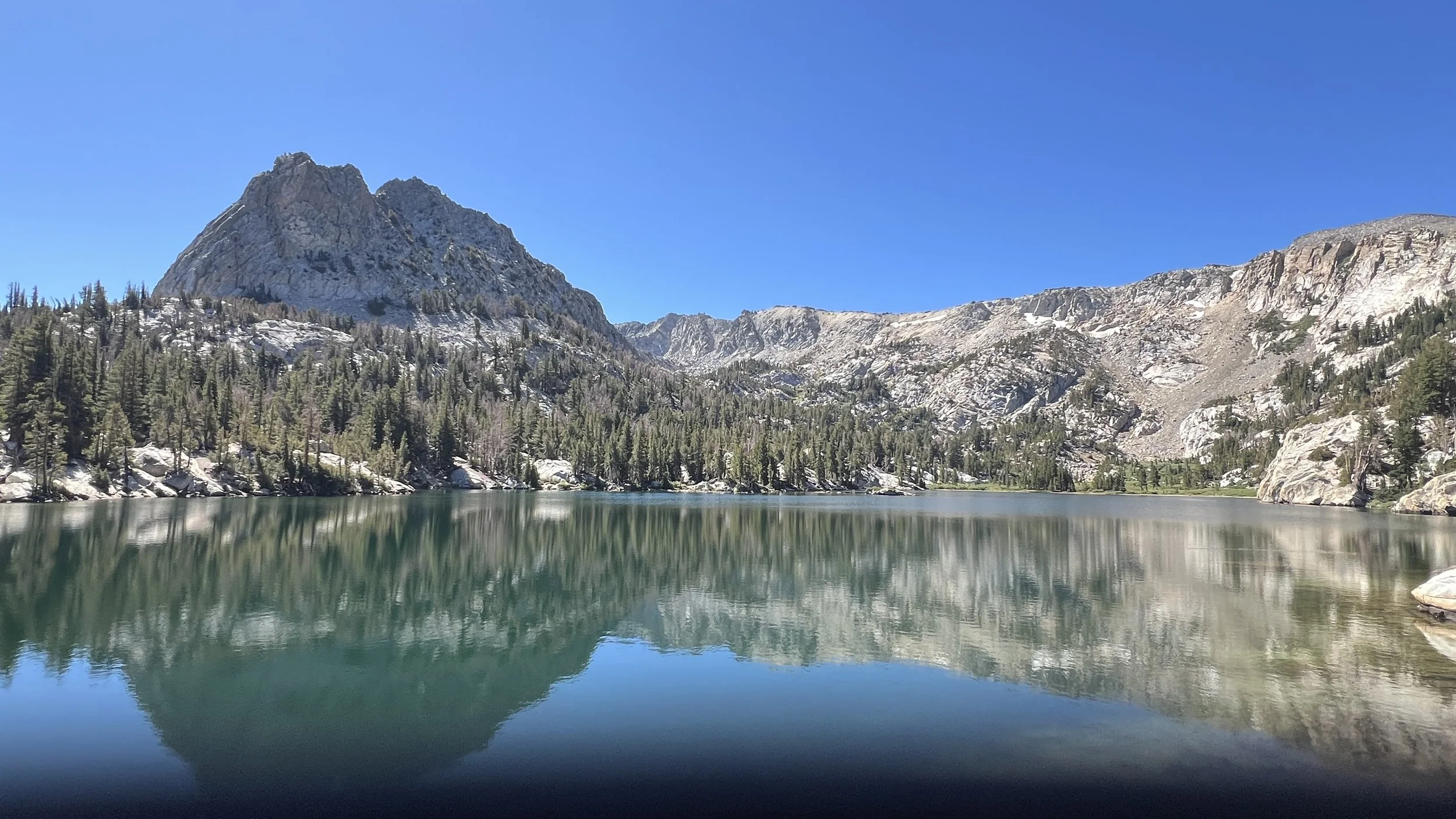
Insights
Reflections about conservation practices and wild places that inspire
Reverence for Water
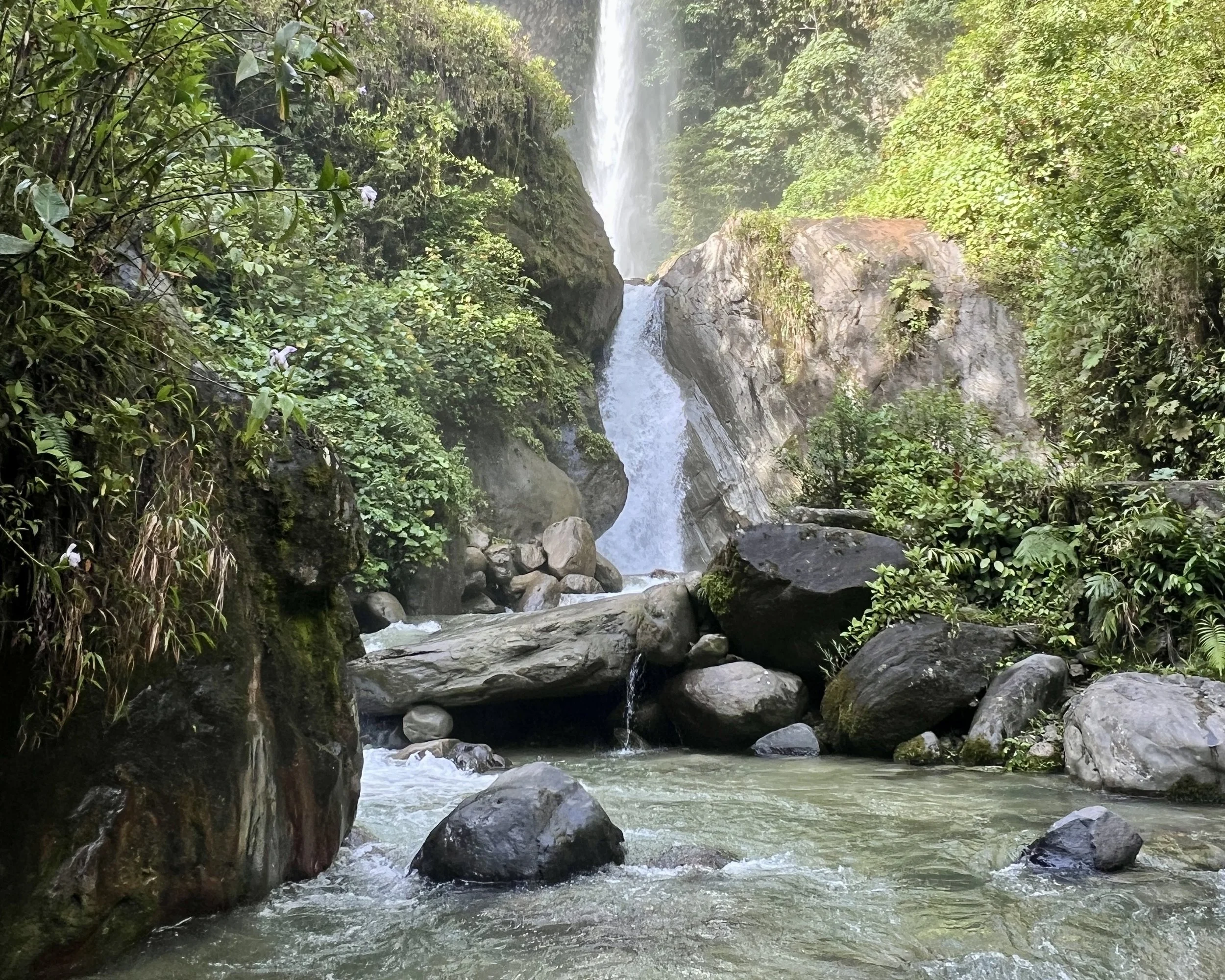
When we hold our rivers and watersheds with reverence, our relationship changes from one of ownership and use to one of care, reciprocity, and responsibility. Across many cultures water has been understood as more than a resource. Water is a gift, a living presence, a relative, and a source of life. Restoring and protecting our watersheds may also ask us to restore our relationship with water and nature.
Resilient Watersheds
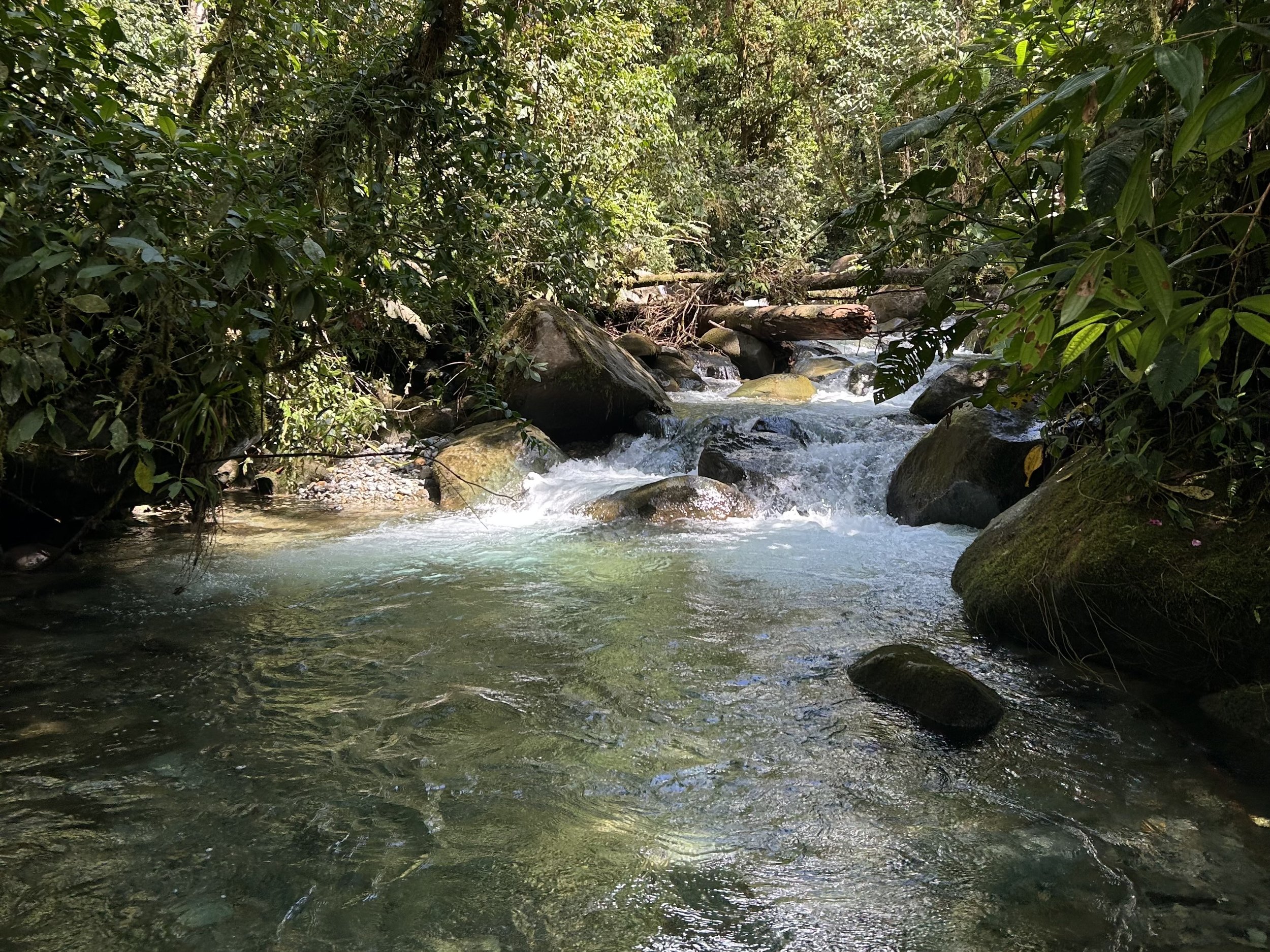
Conservation and land protection are essential to maintaining natural resilience. Protecting intact forests, wetlands, floodplains, riparian areas, tributaries, and groundwater recharge areas preserves the systems already storing and moving water across the landscape. Restoration is important where these systems have been degraded, but protecting healthy landscapes before those functions are lost is equally important. Strategic land conservation can also protect connections across a watershed, giving rivers room to move and natural systems the space they need to respond to changing conditions.
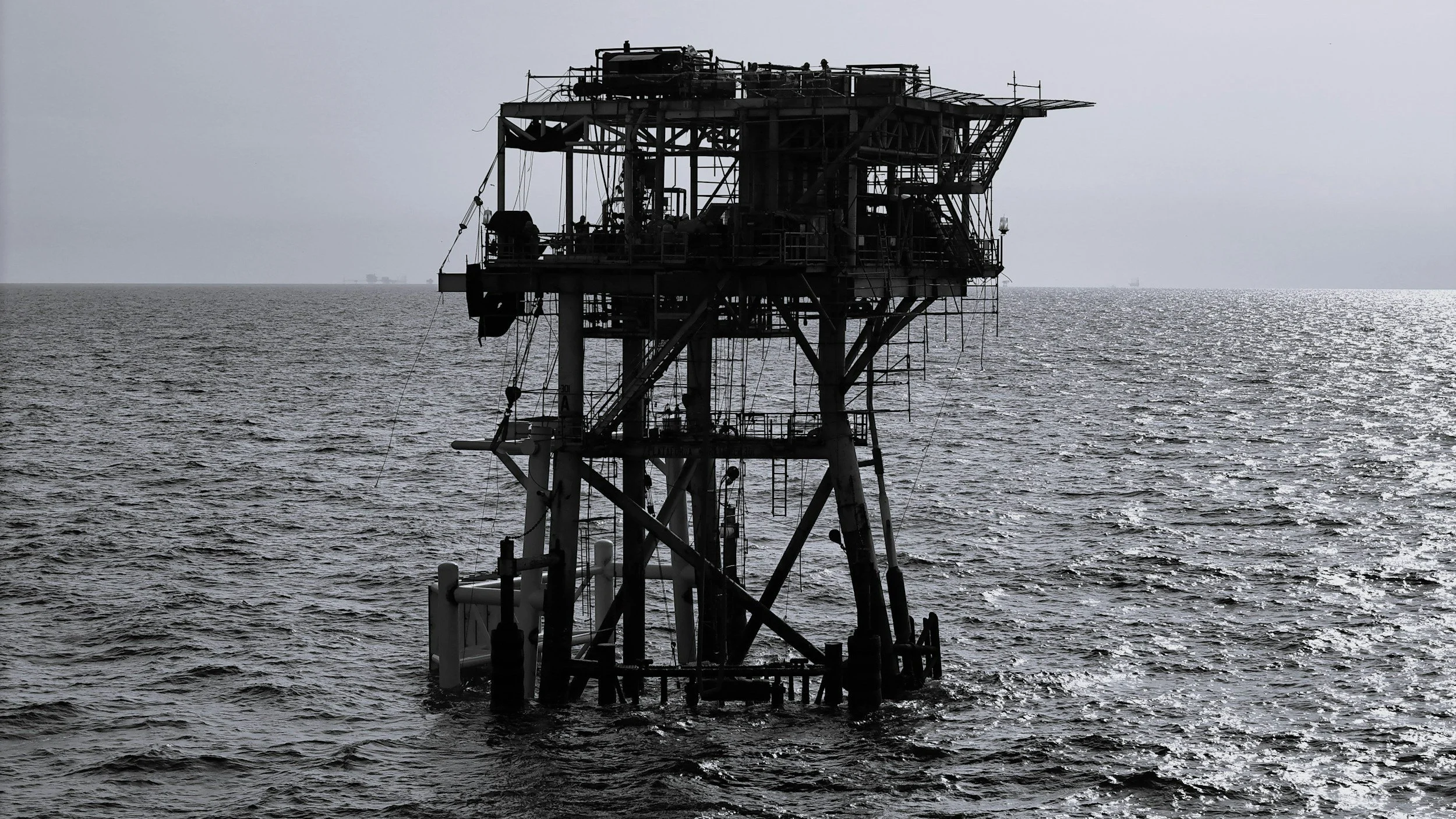
Offshore Drilling and the Limitations of Offshore Thinking
Offshore oil development does not stay offshore. California’s coast, estuaries, wetlands, and fisheries are connected by currents, sediments, and infrastructure that carry risk far beyond lease boundaries. This article explores why proposed offshore drilling threatens systems that state and local protections were designed to safeguard.
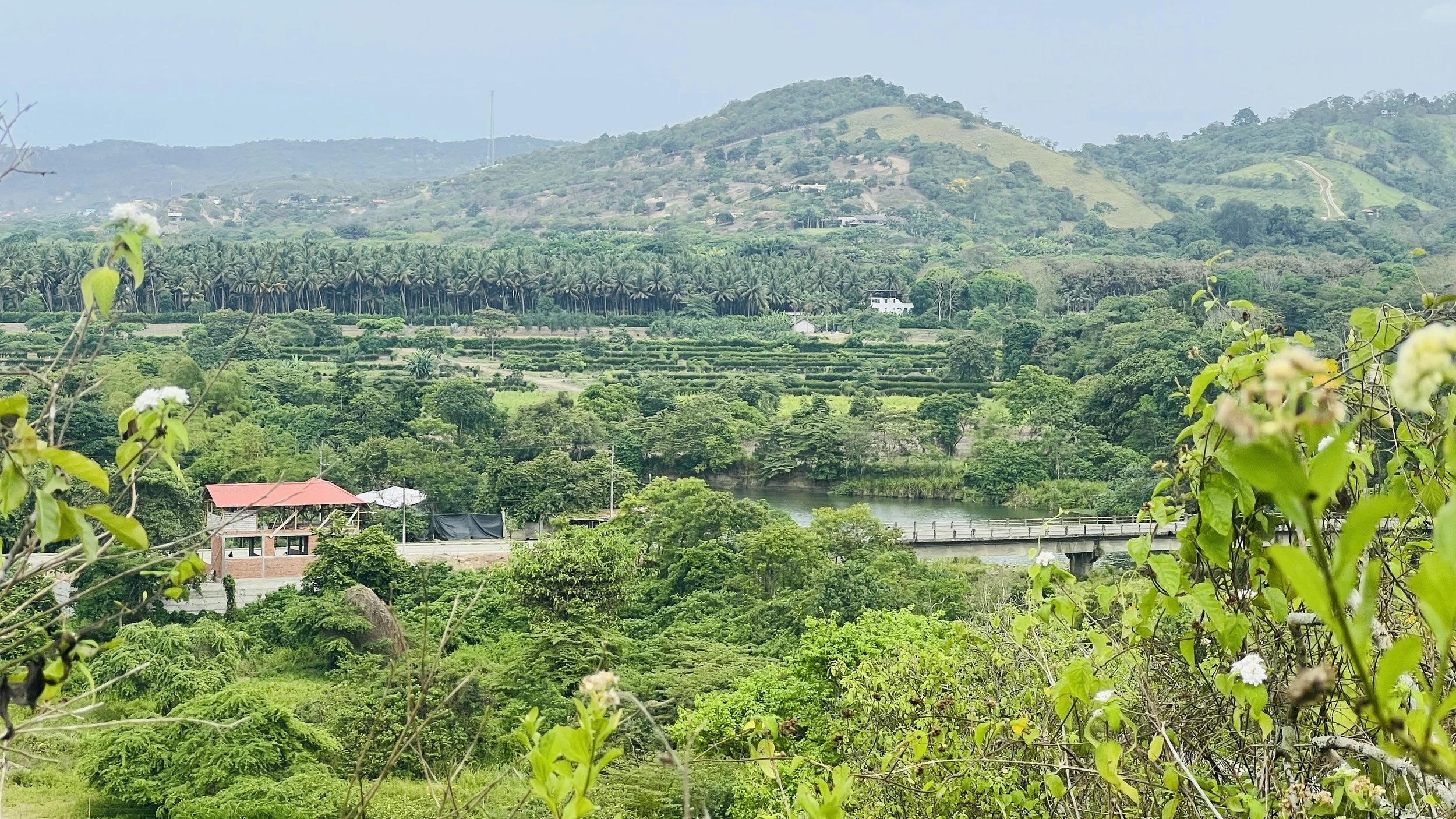
Environmental Considerations of a Carwash Next to Rio Ayampe
A carwash is being built next to Rio Ayampe in Ayampe and drains directly into an estuarine system. From a health and water quality perspective,this needs our attention.
Consideraciones ambientales de un lavadero de autos junto al Rio Ayampe
Se está construyendo un lavadero de autos junto al río Ayampe, en Ayampe. Por su ubicación, si llega a operar, existe el riesgo de que sus descargas drenen hacia un sistema estuarino. Desde una perspectiva de salud pública y calidad del agua, esto requiere nuestra atención.
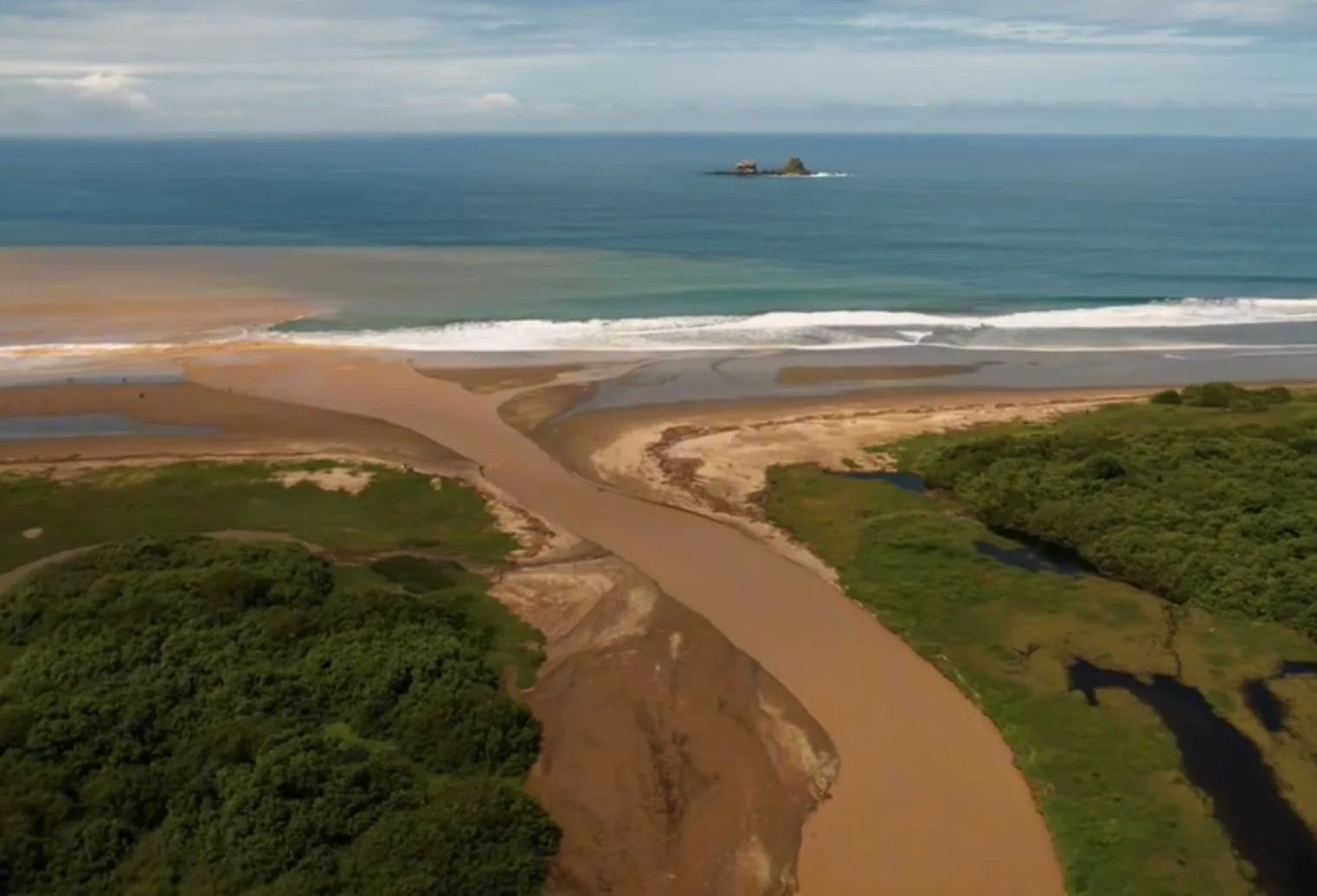
Watersheds to Waves
During rain events, rivers carry sediment, bacteria, nutrients, and other contaminants from inland landscapes directly to the places where we surf, swim, and spend time in the ocean. Upstream conditions shape nearshore water quality, and shows the connection between rivers, coastlines, and communities. Awareness is a beginning, exploring how our attention and care support the waters we love.
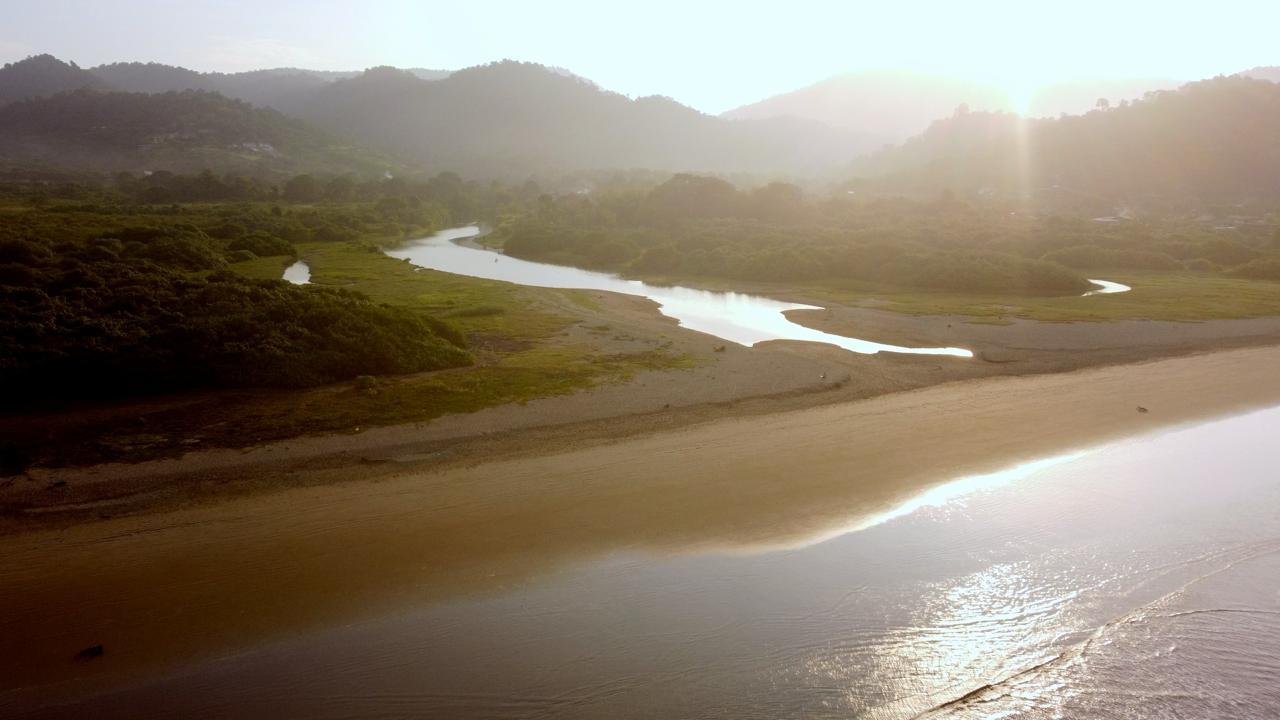
Mangroves: A Foundation of Coastal Resilience
Mangroves are a foundation of coastal resilience. They support fisheries, protect shorelines, and anchor the health of estuaries. In Ecuador, their loss has reshaped both ecosystems and communities, affecting the food webs and livelihoods tied to rivers and coastal waters. This Insight explores what mangroves are, what has been lost, and why their protection matters.
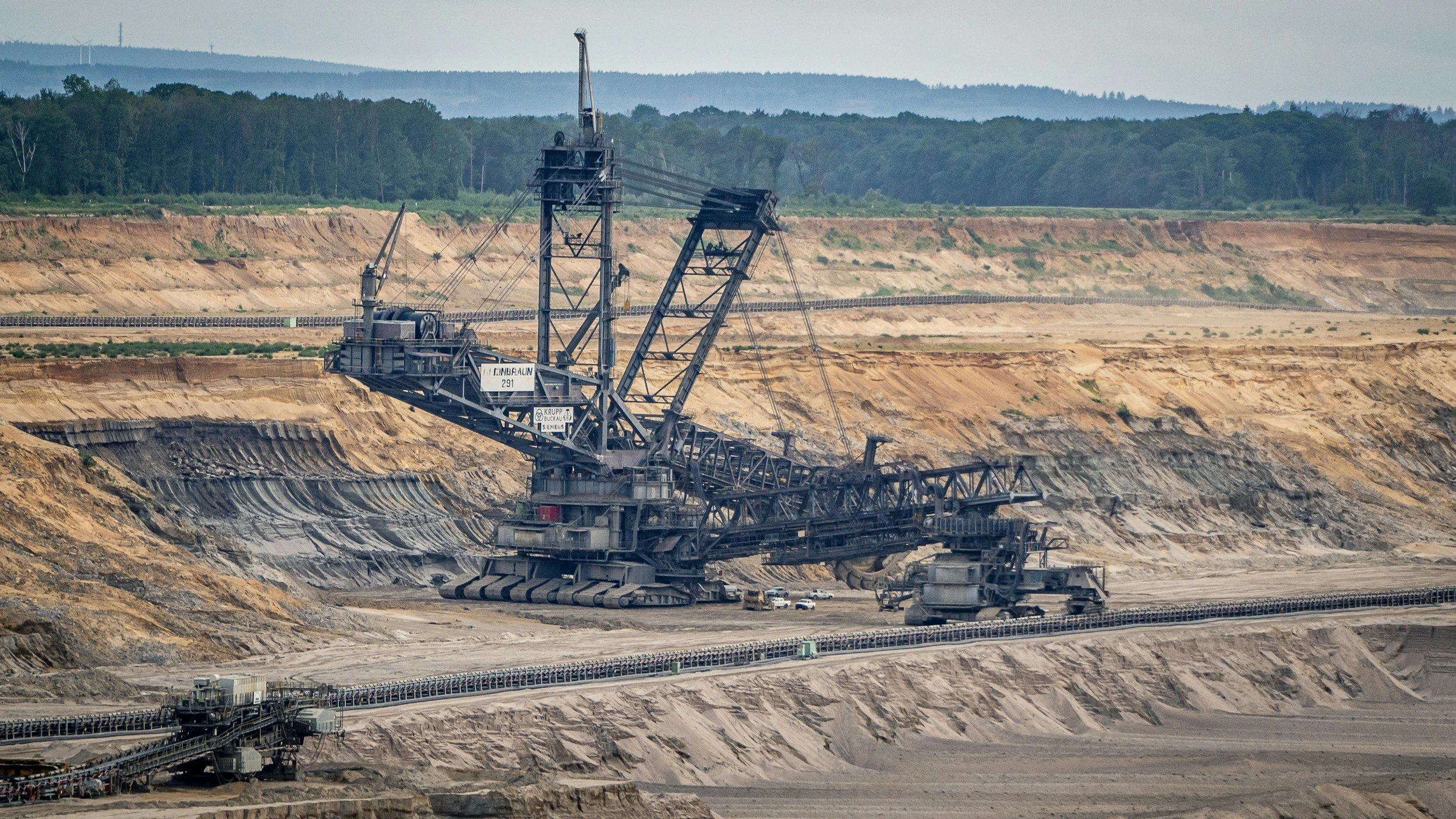
Decisions That Shape Our Land: The Mining Regulatory Clarity Act
On December 18, the House passed the Mining Regulatory Clarity Act, a bill framed as a technical clarification of mining law. In reality, it reshapes how public lands can be used, expanding mining infrastructure and waste placement without modernizing outdated protections, increasing accountability, or providing fair compensation. This piece looks at what that means for our public lands and water.
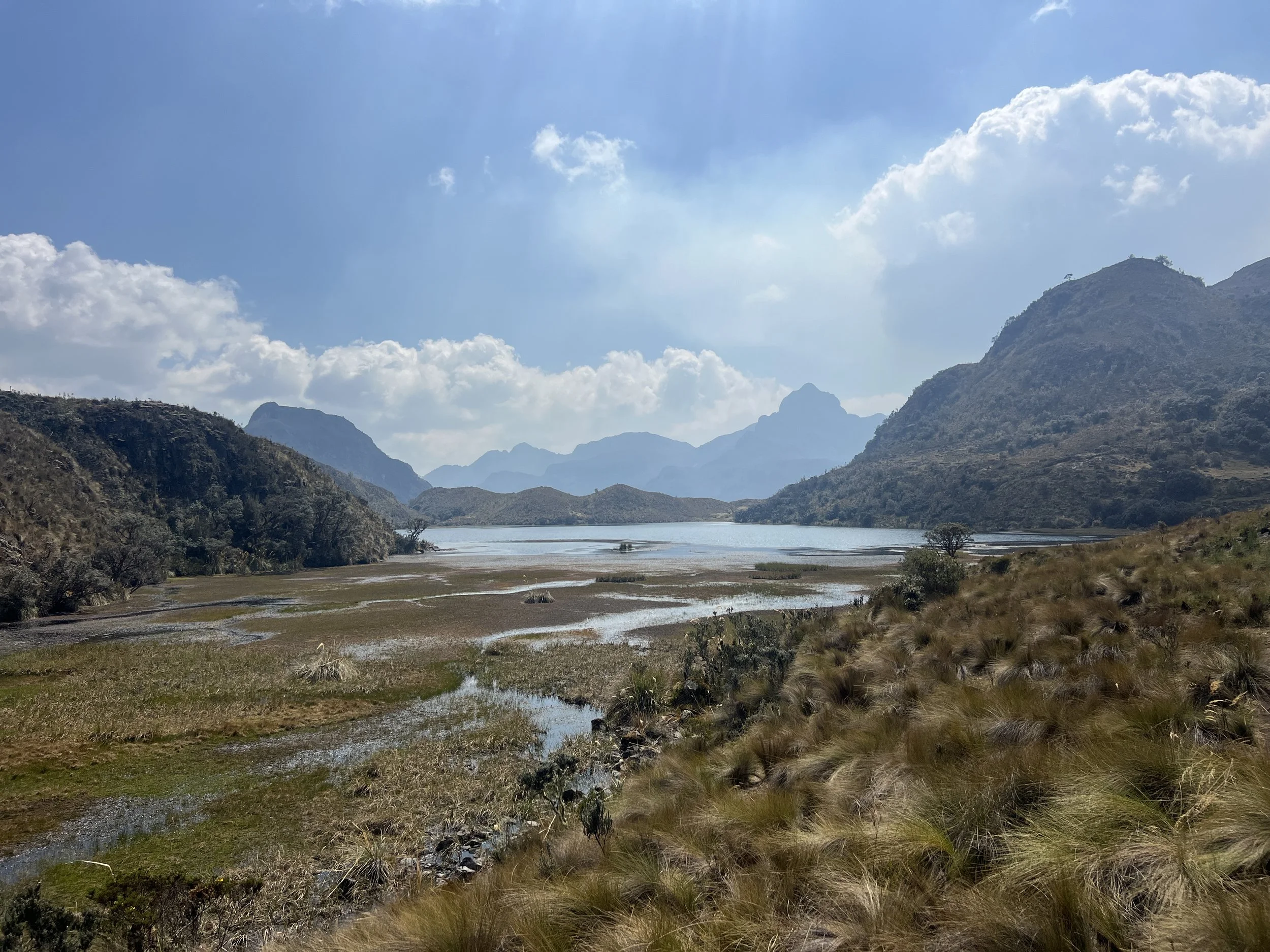
Green Infrastructure: How Healthy Watersheds Store and Clean Water
Across ecosystems and continents, the planet has evolved extraordinary ways to hold water within the land. Wetlands, bogs, peatlands, and high elevation grasslands each act as living sponges, capturing rainfall, storing it for months or even years, and slowly releasing it downstream.
In a world where many regions face growing water scarcity, resilience depends on maintaining the natural systems that store and clean water for free. Across the globe, communities struggle with the cost of filtration, storage, and delivery. As populations expand and demand increases, the most affordable and sustainable solution remains protection of the source.