I am currently in Ecuador, where the effects of El Niño are already being felt. There is a lot of talk and concern about what the season may bring. Residents remember previous years of extreme rain, flooding, landslides, collapsed bridges, damaged roads, and communities cut off from food and other supplies. These are valid concerns.
El Niño is a naturally occurring ocean phenomenon in the tropical Pacific that influences weather patterns around the world. Its effects can vary considerably from one place to another, bringing extreme rainfall and flooding to some areas while others may experience less rain than usual. Severe weather is not inevitable everywhere. But there is an opportunity here. Observing how water moves through our landscapes and learning from past events can help us understand where natural systems are vulnerable and how we can protect and restore them.
Extreme weather is only one part of what determines the consequences of a flood. The condition of the watershed also influences how water moves through the landscape and how quickly the land recovers afterward. Healthy forests, soils, wetlands, rivers, tributaries, riparian areas, and floodplains provide natural flood protection. Protecting and restoring these systems can change how a watershed responds when heavy rains come.
A resilient watershed has the capacity to absorb disturbance, adapt to changing conditions, and recover. Rivers flood, slopes move, trees fall, sediment moves downstream, and river channels change. These are natural processes that shape the landscape. How the watershed responds and recovers tells us a great deal about its resilience. Looking at our watersheds this way can help us understand where natural systems are functioning well, where they have become vulnerable, and where restoration can help rebuild their capacity.
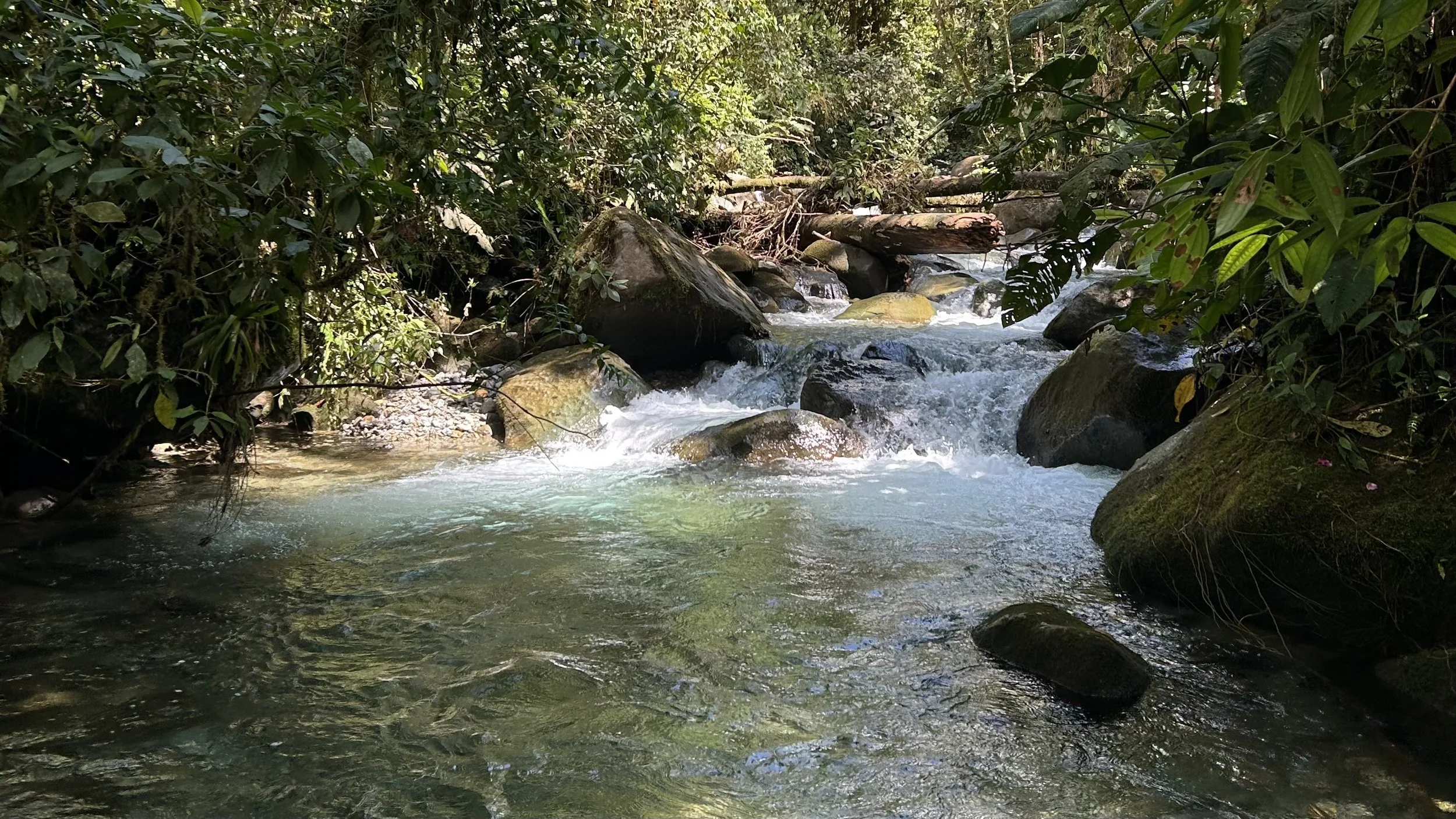
This watershed in conservation lands of Reserva Los Cedros, Ecuador, is so healthy you can drink the water from every stream and river.
The Importance of Conservation and Land Protection for Resiliency
Healthy watersheds are natural flood control systems. Forests intercept rainfall and slow the movement of water toward streams. Healthy soils absorb and store water, allowing more of it to infiltrate rather than immediately becoming surface runoff. Wetlands store water and release it over time. Tributaries distribute water throughout the watershed, while riparian zones slow flows, protects streambanks, filters sediment, and provides habitat. Floodplains give rivers space to spread during high flows, slowing the movement of water downstream and helping replenish underground water supplies. These systems work together across the watershed.
Conservation and land protection are essential to maintaining natural resilience. Protecting intact forests, wetlands, floodplains, riparian areas, tributaries, and groundwater recharge areas preserves the systems already storing and moving water across the landscape. Restoration is important where these systems have been degraded, but protecting healthy landscapes before those functions are lost is equally important. Strategic land conservation protects connections across a watershed, giving rivers room to move and natural systems the space they need to respond to changing conditions.
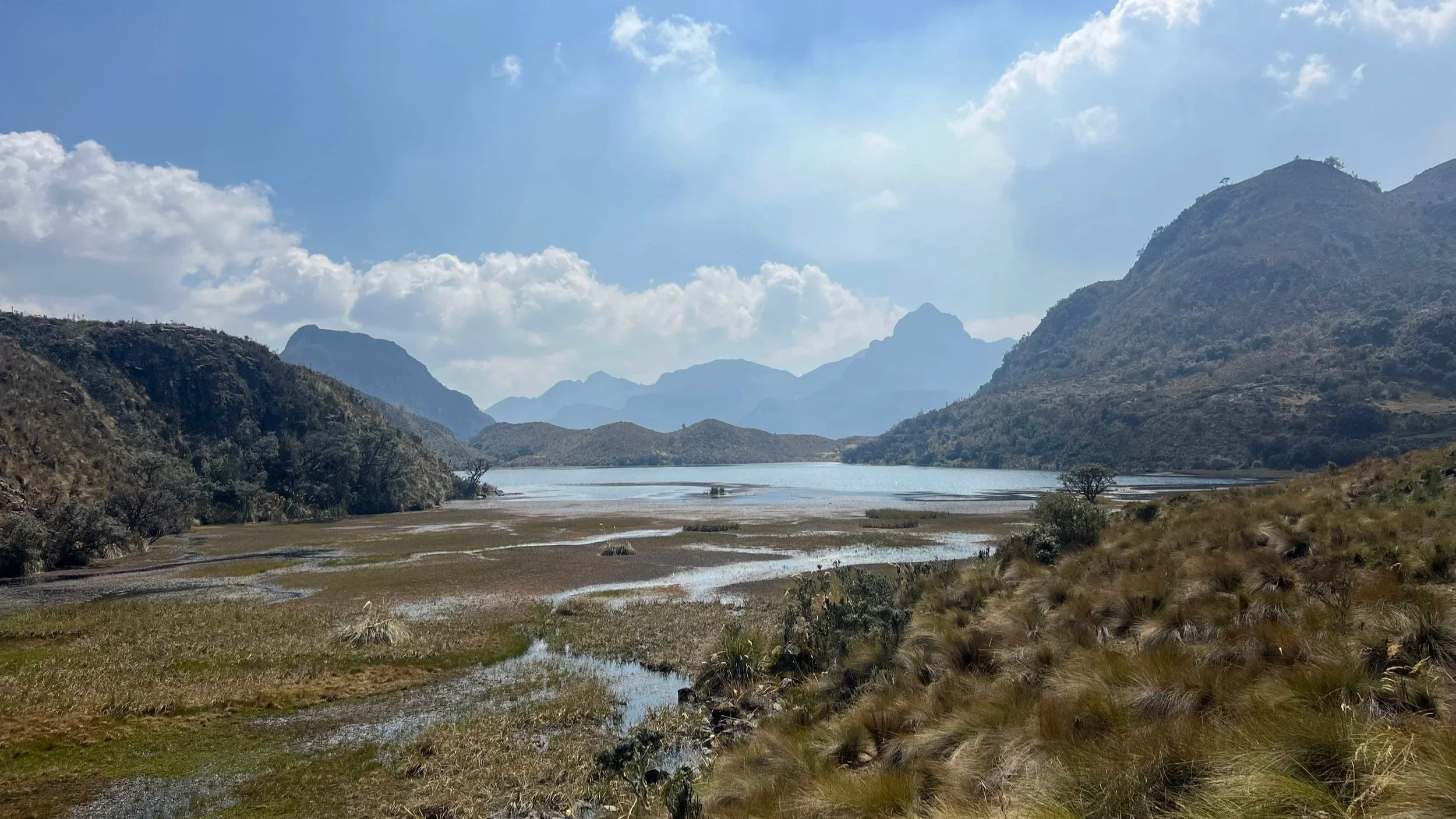
Conserved lands in El Parque Nacional Cajas in Ecuador are part of a vast watershed system, where páramo holds water as a living reservoir.
Flooding is an essential river process. When rainfall exceeds the amount of water that the watershed can absorb and store, rivers rise and floodplains fill. During large rain events, rising rivers may move sediment, erode banks, change channels, and inundate areas beyond their ordinary flow. When rivers remain connected to their floodplains and wetlands, tributaries remain open, and riparian areas are well established, the watershed has more capacity to accommodate these processes, recharge groundwater, and recover.
The way we alter a watershed can change its resilience to extreme weather. Deforestation, overgrazing, soil compaction, roads, development, channelization, and loss of wetlands can increase the speed and concentration of runoff or reduce the places where water can infiltrate and be stored. Loss of vegetation and disturbance of soils can also leave slopes more susceptible to erosion and debris flows during subsequent storms. Development within floodplains places people and infrastructure in areas where rivers naturally need room to move, increasing the risk of damage during floods. Restoration and green infrastructure can rebuild some of this capacity by protecting and restoring forests and riparian areas, reconnecting floodplains, restoring wetlands, improving road crossings and drainage, stabilizing degraded slopes, and allowing rivers more room to move.
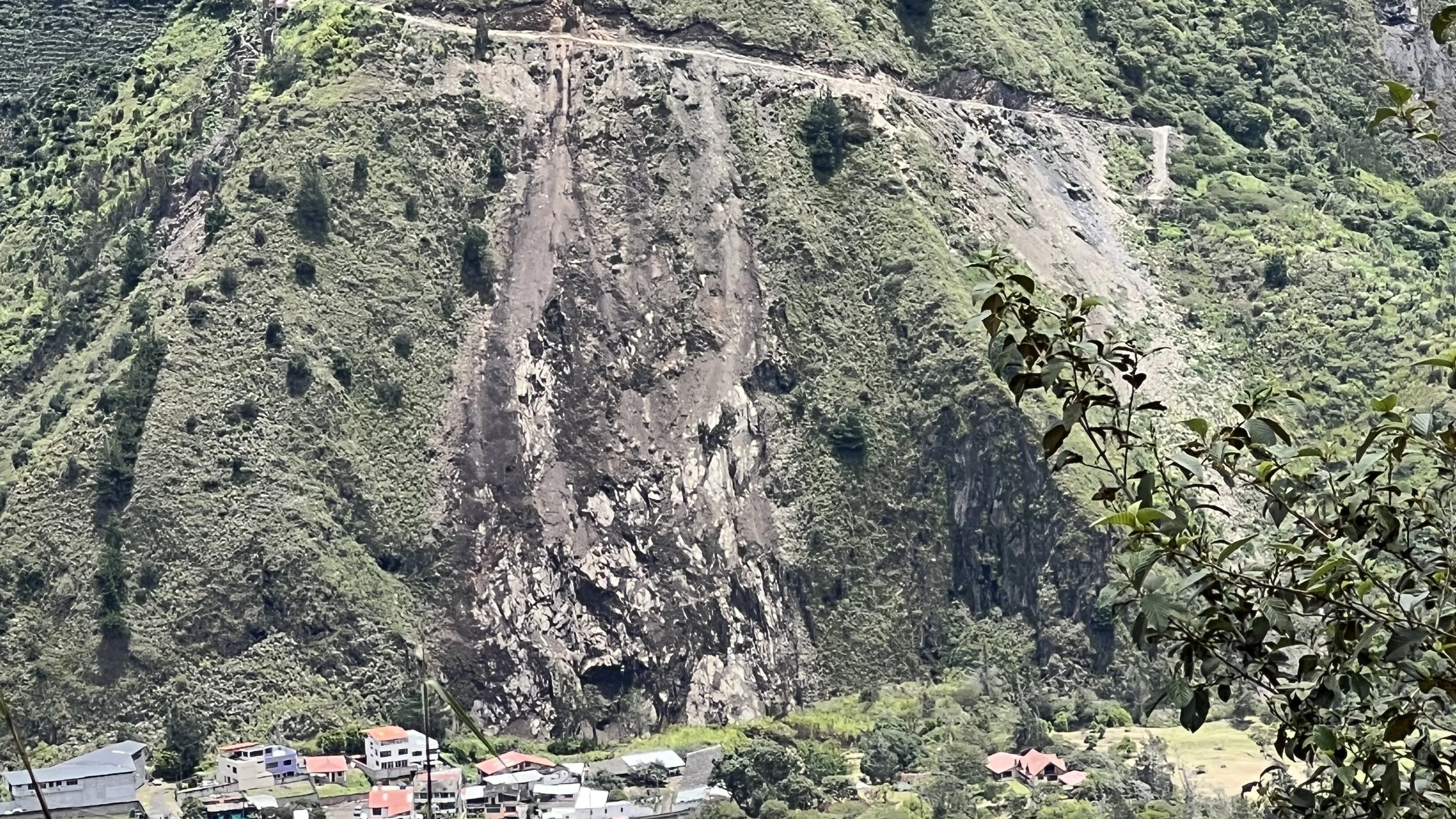
A steep slope and road cut above a river next to a small town developed into an active landslide, with erosion increasing after recent rains.
Water shows us where we are vulnerable. During heavy rains, flooding, erosion, landslides, and damaged roads or bridges can reveal where development has changed natural drainage patterns or where infrastructure is poorly suited to the movement of water across the landscape. During periods of drought, water scarcity reveals a different set of vulnerabilities in how communities use, manage, and depend on limited water supplies. Paying attention to what happens during these extremes gives us information we can use to make better decisions about where and how we build, restore degraded areas, and prepare for future events.
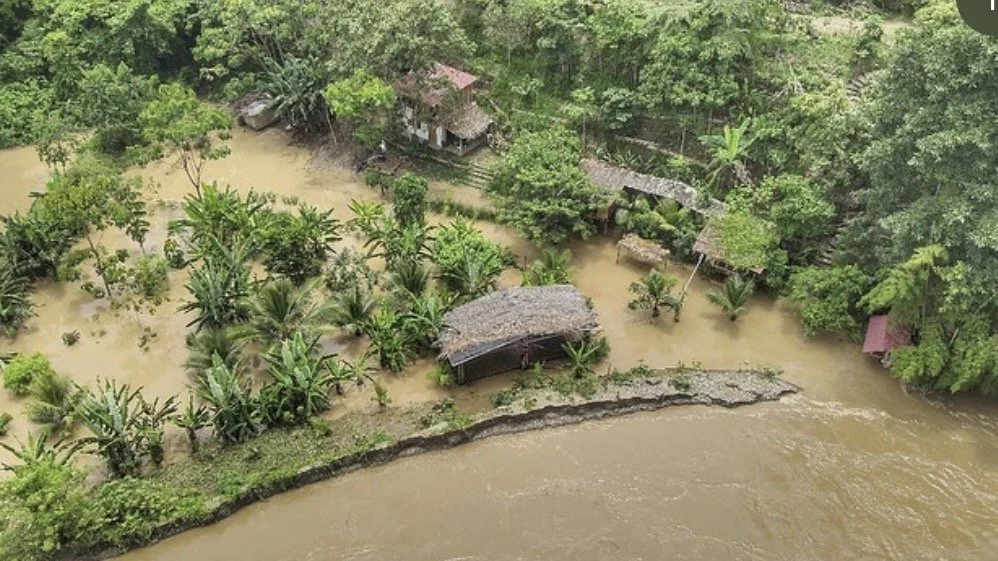
Flooded property next to a river after heavy rains.
Coastal Watersheds and Sea Level Rise
Coastal watersheds face another challenge as sea levels rise. During El Niño, changes in ocean temperatures and circulation can temporarily elevate sea levels along the Pacific coast. When these conditions coincide with high tides, storm waves, or heavy rainfall, low-lying coastal communities and estuaries can experience greater flooding and erosion.
Mangrove forests, salt marshes, tidal wetlands, and coastal dunes provide natural protection along coastlines. These habitats reduce wave energy, stabilize shorelines, capture sediment, and help protect coastal communities from flooding and erosion. Much of this natural protection has been lost to coastal development, filling of wetlands, and construction of seawalls and other shoreline barriers.
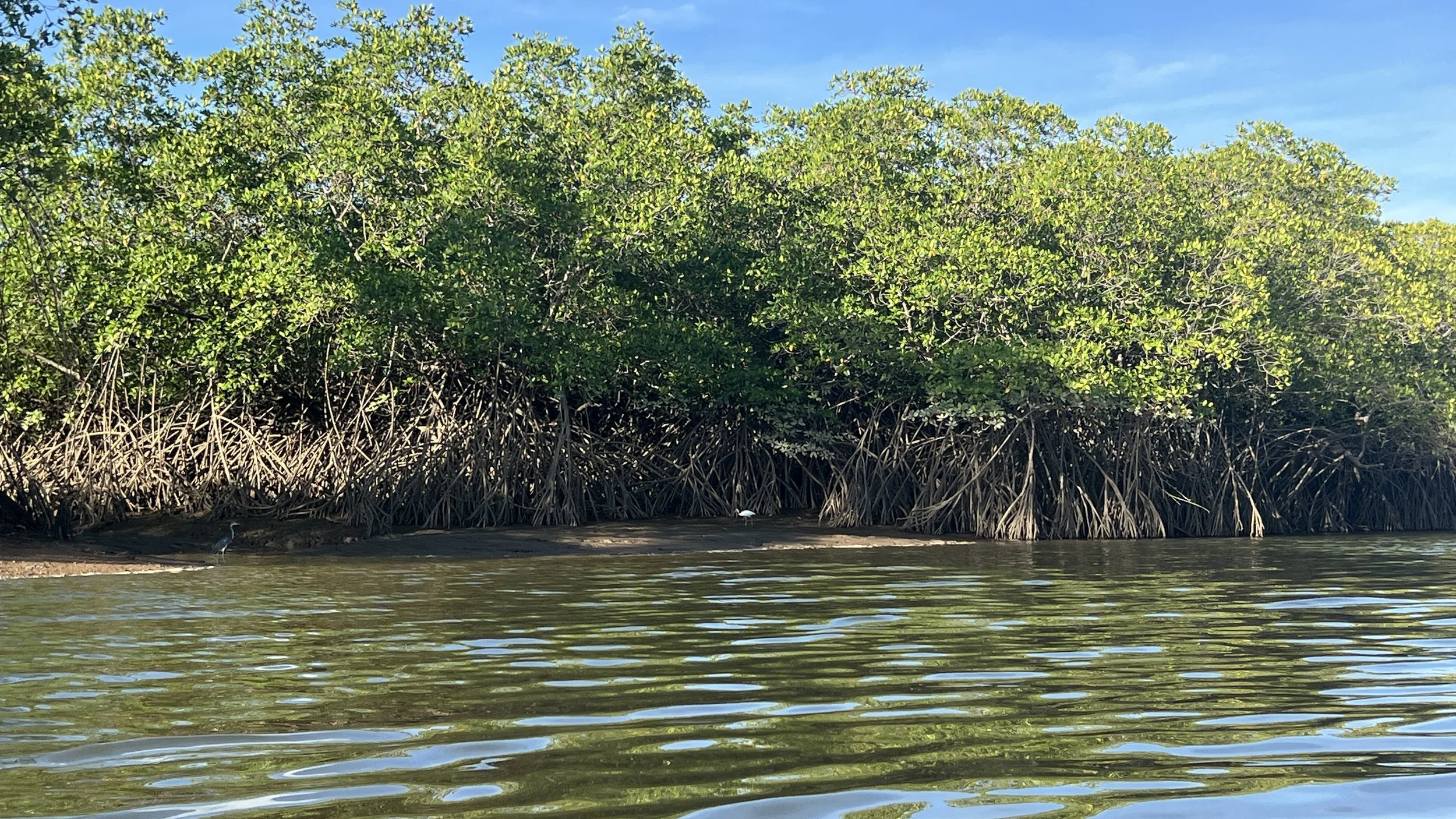
The resilience of coastal habitats depends on conditions throughout the watershed and along the coast. Changes in sediment supply, coastal development, and barriers that prevent wetlands from migrating inland can reduce their ability to adapt as sea levels rise. Protecting remaining coastal habitats, restoring degraded estuaries and shorelines, and allowing wetlands room to migrate inland are important parts of coastal resilience.
Stormwater Management
Stormwater management is an important part of the solution in developed areas. Rain falling on roofs, roads, parking areas, and other hard surfaces does not easily infiltrate into the ground. Instead, it moves quickly across the surface, usually carrying sediment, oils, heavy metals, nutrients, pesticides, and other pollutants into streams, rivers, estuaries, and eventually the ocean. Sediment itself can be a significant pollutant and can also transport other contaminants through a watershed.
In developed areas, stormwater is commonly managed through gutters, storm drains, underground pipes, and drainage channels that collect runoff and direct it away from streets and buildings. Much of this water is discharged into nearby streams, rivers, or coastal waters, often without treatment. Some cities also use detention and retention basins to temporarily store runoff, reduce peak flows, and manage flooding. When drainage systems are inadequate or overwhelmed by heavy rainfall, water can accumulate in streets and developed areas, causing flooding.
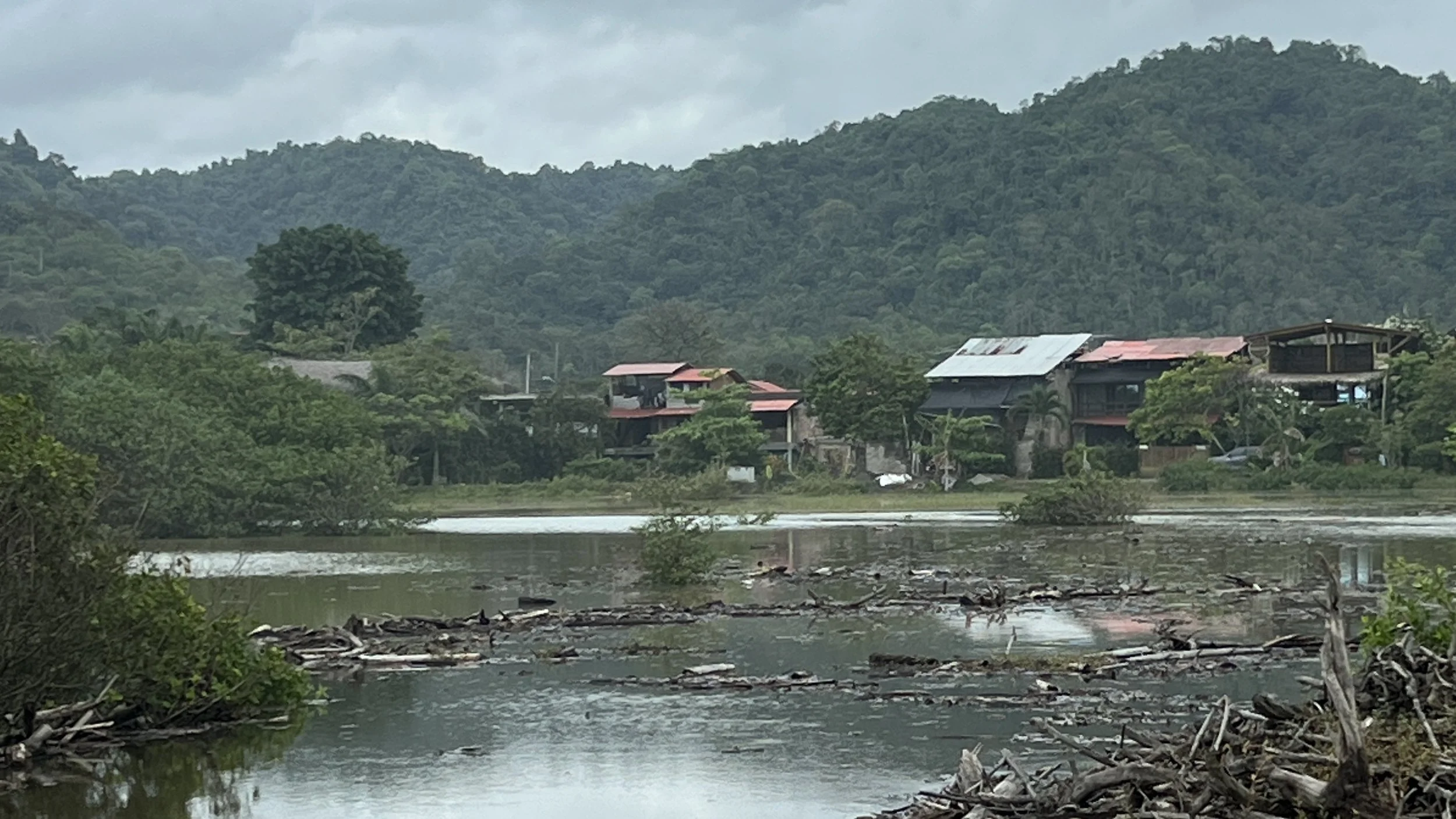
Debris flows into an estuary after a heavy rain.
Bioswales, rain gardens, infiltration basins, retention ponds, constructed wetlands, permeable surfaces, and other forms of green infrastructure can slow runoff and allow more water to percolate into the ground. This helps filter pollutants before they reach waterways, supports the replenishment of underground water supplies, and reduces the volume and speed of stormwater entering streams during heavy rainfall. Looking at where water flows during a storm can help identify where these measures may have the greatest benefit.
Drought
Drought can teach us about resilience too. Water stored across the watershed during wet periods helps sustain streamflow and water supplies during the dry season. Where natural water storage and groundwater recharge have been reduced, drought can contribute to declining groundwater levels, dewatered streams, and greater pressure on limited water supplies. Protecting wetlands, floodplains, forests, and groundwater recharge areas helps retain water within the watershed and supports resilience during dry periods.
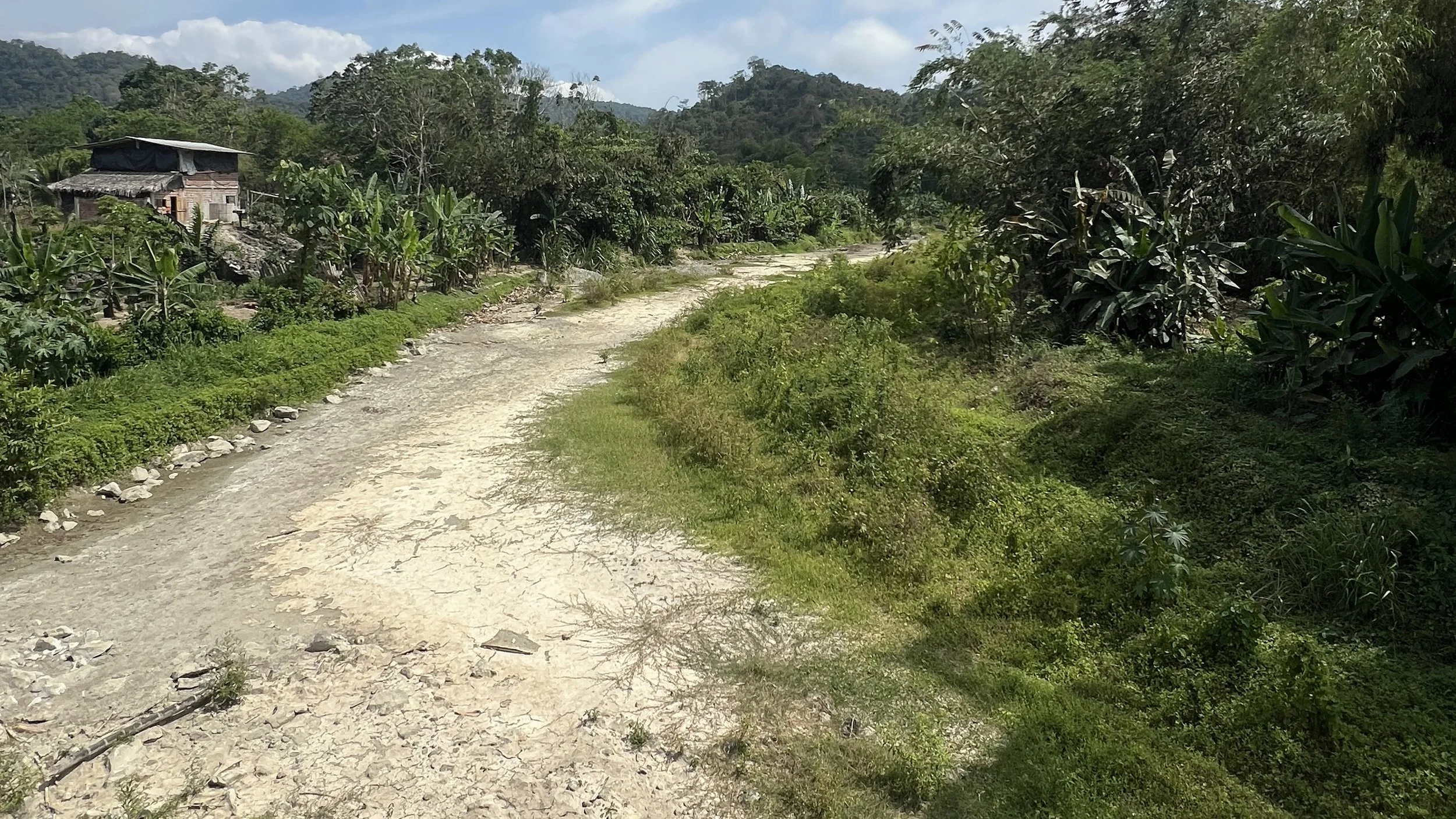
During a prolonged drought, this river was dewatered in multiple sections with increased algae growth in other areas.
Resilient Communities
Resilience also comes from how we care for our communities and each other. A resilient community understands the landscape it inhabits, learns from previous events, prepares for known vulnerabilities, and has ways to care for people when normal systems are disrupted. We can learn which roads and bridges may be affected, where landslides or flooding have occurred before, which communities may become isolated, and who may need help. Staying informed through local weather forecasts, emergency alerts, and communication within our communities can help us prepare for disruptions to food, water, power, communication, and medical care, while continuing to learn from each event.
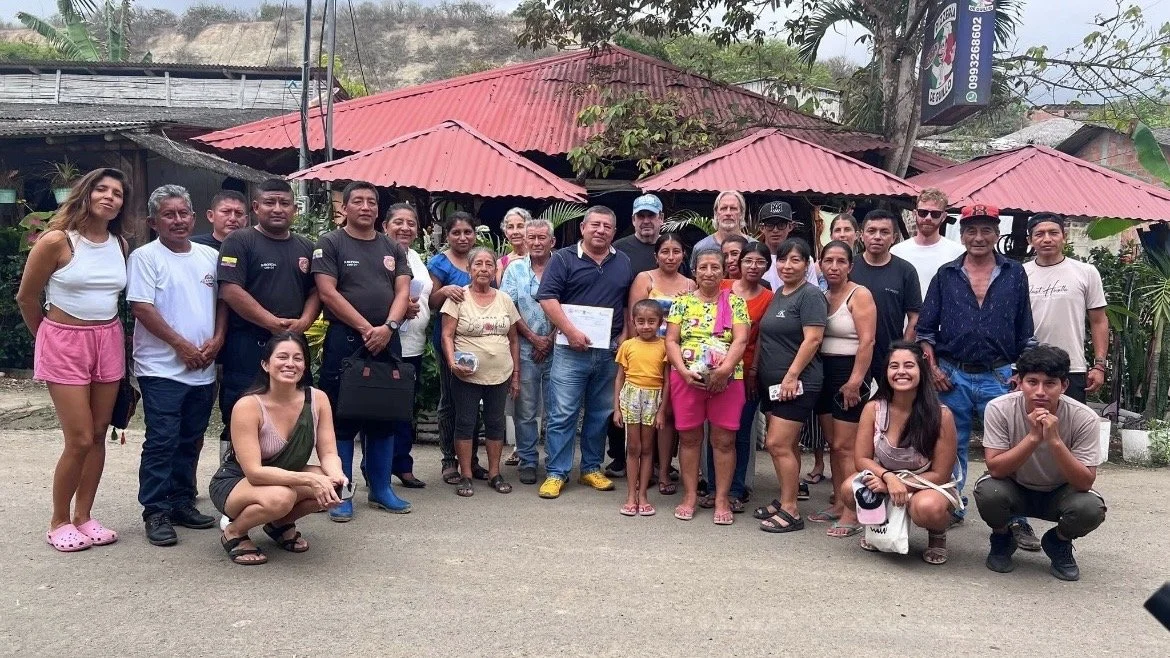
Community member in Las Tunas, Ecuador meet with local rescue workers to discuss precautions to take for El Niño.
The resilience of our communities is connected to the resilience of the land around us. We can observe where storm water goes, where damage occurs, and what continues to function well. That knowledge can guide how we protect important natural areas, restore degraded landscapes, improve infrastructure, prepare for future events, and care for the people and places that are most vulnerable. Awareness allows us to look at disturbance without expecting nature to remain unchanged and without assuming that we are powerless when change occurs.Taking care of our watersheds is taking care of each other.
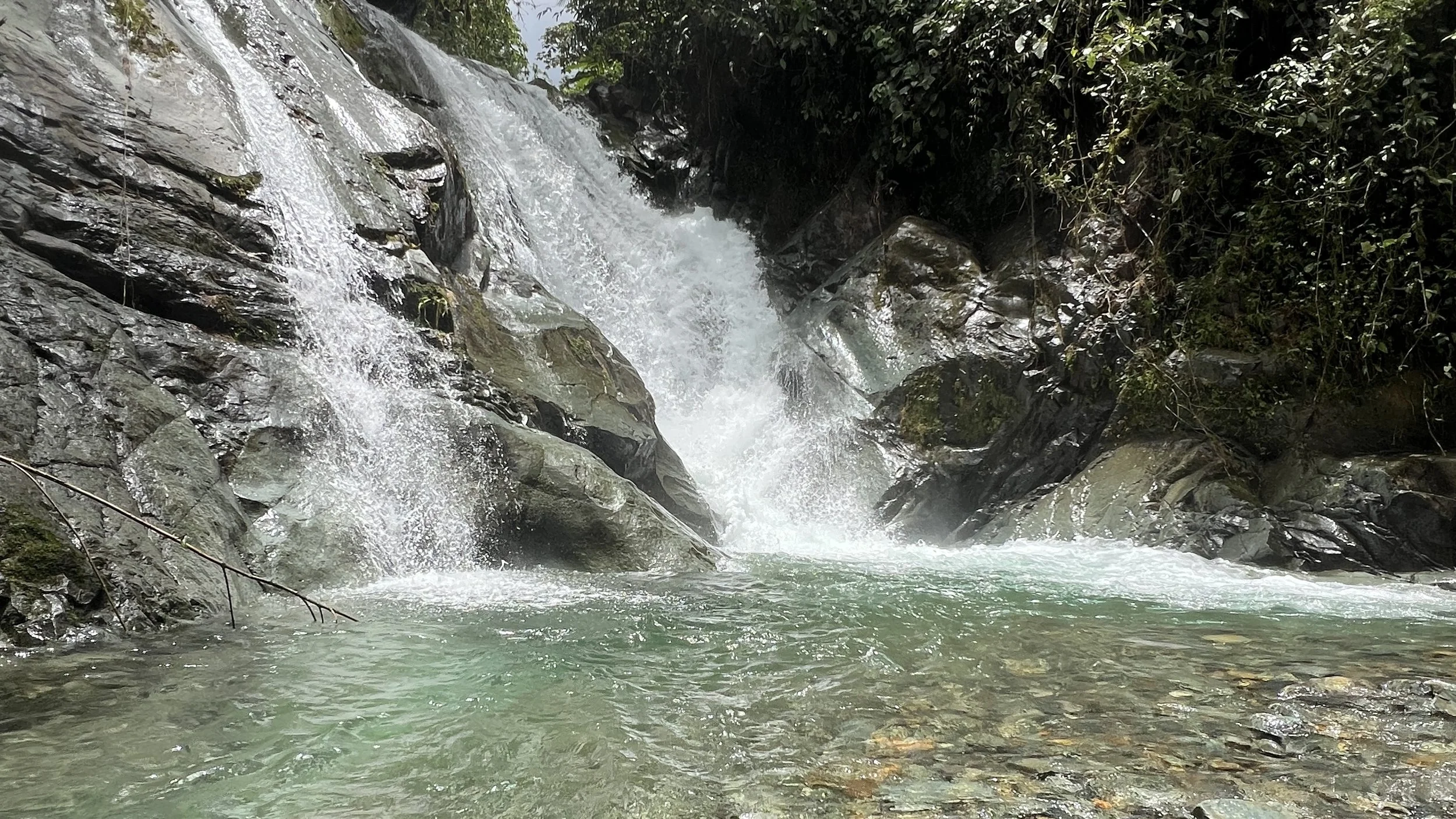
This clean and healthy river flows free.