
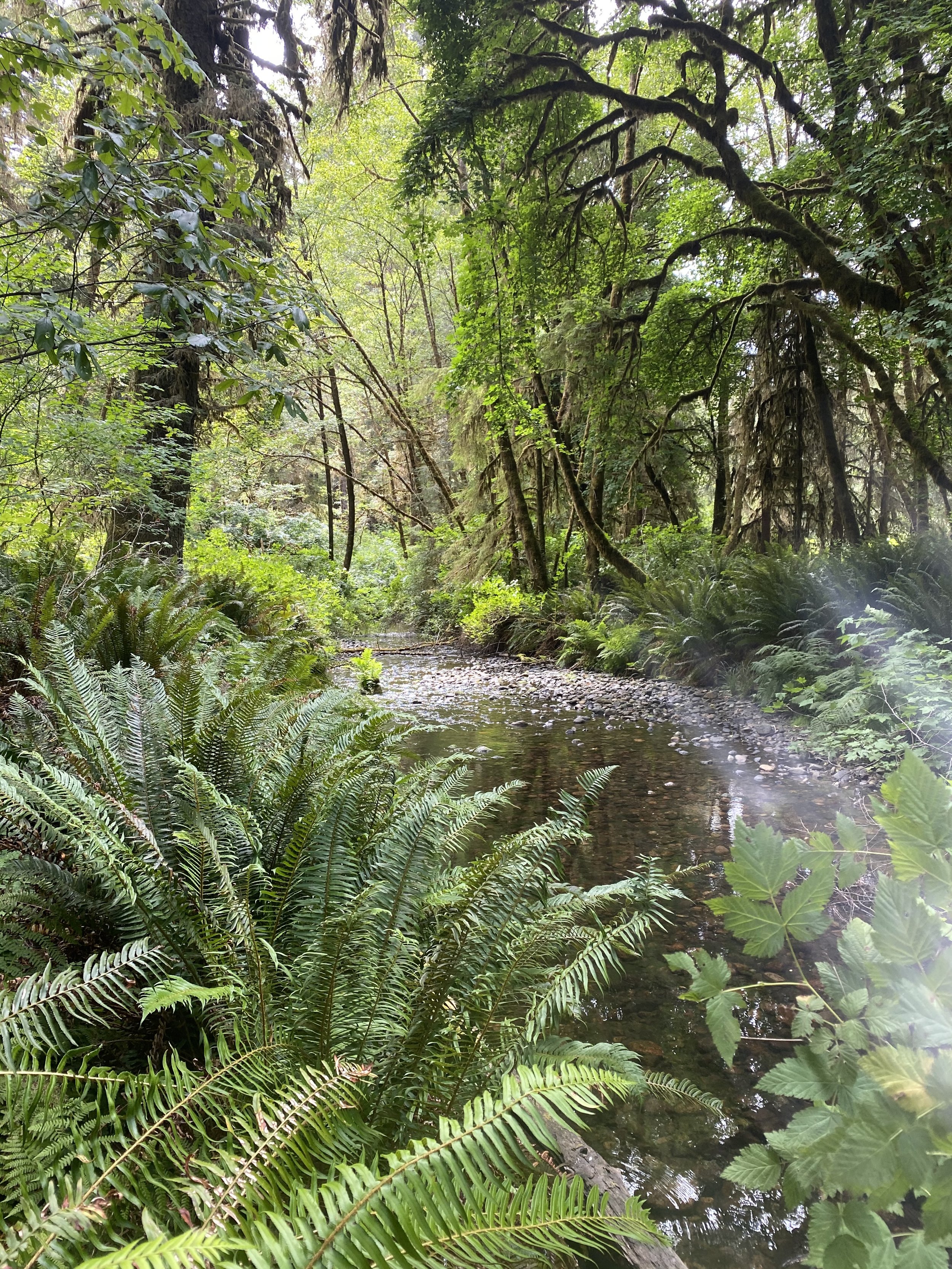
Conservation Real Estate: Land and Water Conservation
What Is Conservation Real Estate?
Conservation real estate involves the acquisition, sale, and permanent protection of land for its ecological, agricultural, cultural, and public values, including the protection of water and watersheds. Unlike conventional real estate transactions, conservation acquisitions consider the long term protection of rivers, wetlands, wildlife habitat, working lands, and open space. These transactions often bring together landowners, land trusts, tribes, nonprofit organizations, and public agencies to protect properties with significant conservation values.
Conservation real estate requires specialized knowledge of real estate, conservation priorities, land valuation, funding, and long term stewardship. Properties may be acquired to protect watersheds, restore habitat, improve wildlife connectivity, preserve agricultural land, provide public access, or return ancestral lands to Indigenous communities through Land Back initiatives. Each property presents different opportunities and challenges, and the approach depends on its conservation values, ownership considerations, and future management needs. Two of the most common land protection tools are fee title acquisitions and conservation easements.
Fee Title Acquisitions for Conservation
Fee title acquisition involves the purchase or transfer of full ownership of a property to a land trust, tribe, conservation organization, or public agency. The acquiring organization assumes responsibility for managing the property and protecting its conservation values over time.
Fee title acquisitions are particularly valuable for properties with critical water sources, significant habitat values, or restoration needs. Headwaters, rivers, wetlands, floodplains, estuaries, and wildlife corridors often benefit from conservation ownership because management decisions can prioritize ecological processes and long term restoration. Acquiring full ownership can allow conservation organizations to restore natural water processes, reconnect floodplains and wildlife corridors, improve habitat, and address land uses that have altered ecosystems. Fee title acquisitions may also provide opportunities for public access and new trail systems. Depending on the ownership structure and conservation objectives, permanent protection may be secured through deed restrictions, conservation easements, or other legal agreements.
For landowners considering a conservation sale, fee title acquisition offers an alternative to a conventional real estate transaction. Conservation purchases may be funded through public grants, philanthropic contributions, mitigation funds, or combinations of funding sources. Some transactions involve a purchase at appraised fair market value, while others may include a bargain sale or donation. Because conservation acquisitions frequently involve multiple partners and funding requirements, they may require additional planning, due diligence, and coordination.
What Is a Conservation Easement?
A conservation easement is a voluntary, legally binding agreement between a landowner and a qualified conservation organization or public agency. Its purpose is to protect specific conservation values while allowing the property to remain in private ownership. Each easement is tailored to the land and identifies the areas and uses that require protection, such as rivers and wetlands, wildlife habitat, working farmland, scenic landscapes, or cultural resources. The agreement limits certain future uses, most commonly subdivision or development, while allowing compatible activities such as agriculture, ranching, forestry, or limited residential use.
Conservation easements are typically permanent and recorded against the property, meaning their restrictions continue to apply when ownership changes. The landowner retains ownership and responsibility for managing the property, while the easement holder monitors compliance and enforces the agreement. Easements are most commonly held by qualified land trusts, although public agencies may also hold them. The easement holder accepts an ongoing responsibility to ensure that the conservation values identified in the agreement remain protected.
Landowners consider conservation easements for a variety of reasons. Some want to ensure their property remains intact beyond their lifetime, while others wish to protect water, wildlife habitat, agricultural soils, or open space while continuing to own and manage their land. In some cases, easements may be sold for compensation or donated, potentially providing financial or tax benefits depending on the circumstances. Establishing an easement requires careful consideration of the restrictions, property valuation, future ownership, and long term stewardship responsibilities.
Choosing a Land Protection Approach
Fee title acquisitions and conservation easements offer different approaches to permanent land protection. Conservation easements allow landowners to retain ownership while restricting certain uses, making them particularly useful for working farms, ranches, and other privately owned landscapes. Fee title acquisitions transfer ownership to a conservation organization, tribe, or public agency, providing greater flexibility for restoration, changes in land management, and coordinated conservation efforts.
For watersheds, riparian corridors, wetlands, and other sensitive landscapes, fee title ownership can be particularly beneficial when restoration requires changes in land use or management across multiple properties. The appropriate approach depends on the conservation values present, landowner goals, funding availability, and long term stewardship needs. In some cases, both tools may be used together to protect larger landscapes.
Conservation Real Estate Services
As a conservation real estate consultant and California licensed real estate broker, I work with landowners, land trusts, tribes, nonprofit organizations, and public agencies to facilitate land and water conservation transactions. My work focuses on fee title acquisitions and conservation sales, including evaluating conservation opportunities, coordinating with landowners and acquisition partners, developing funding strategies, and managing the real estate transaction process. Although I do not hold or administer conservation easements, I can help landowners understand their options and connect them with qualified organizations when an easement may be appropriate.
Through Source Conservation, I help bring together the people, funding, and expertise necessary to complete conservation acquisitions that protect land and water, restore habitat, and support long term conservation objectives.
Considering a conservation sale or acquisition?
Contact Source Conservation to discuss a potential land and water conservation project.